How a structured WhatsApp messaging sequence improved response rates and lead readiness for a service business — the design decisions, results, and practical lessons.
Many service businesses receive new leads through WhatsApp, website forms, or ads, then struggle to follow up consistently. Some leads receive a quick reply and nothing more. Others are contacted irregularly. In both cases, opportunities cool off before a proper conversation happens.
This case study examines how one service business designed a simple WhatsApp follow-up journey for new leads. It covers the starting problem, the decisions made, the structure of the journey, the results, and the practical lessons that can be applied by other teams.
Quick Answer
A structured WhatsApp follow-up journey improved lead response rates by replacing ad-hoc messages with a clear sequence of timely, relevant follow-ups. The system helped the team stay consistent, prioritise warmer leads, and move more conversations forward without increasing workload.
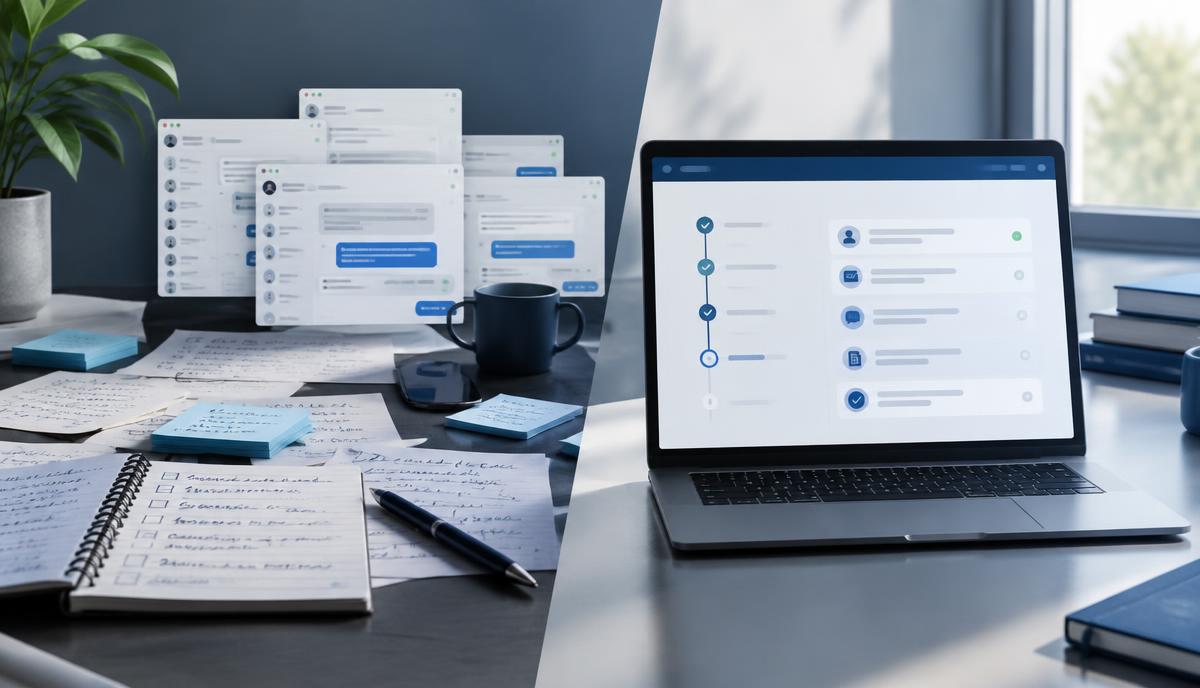
The Starting Situation
Before the change, lead handling looked like this:
- New enquiries arrived through multiple channels and were often forwarded to WhatsApp
- First responses varied in speed and quality depending on who was available
- Follow-up after the initial reply was inconsistent
- Some promising leads went quiet and were never re-engaged systematically
- The team had no shared view of where each lead stood in the conversation
The business was generating interest but losing momentum in the days after first contact.
The Core Decision
Instead of relying on individual memory and manual follow-up, the team decided to design a lightweight WhatsApp follow-up journey with these goals:
- Respond quickly to every new lead
- Ask a few clarifying questions early
- Follow up at sensible intervals if the lead went quiet
- Hand over cleanly to a human when the lead showed clear intent
- Keep the process simple enough to maintain
The focus was consistency and clarity, not complex automation.
What Was Designed
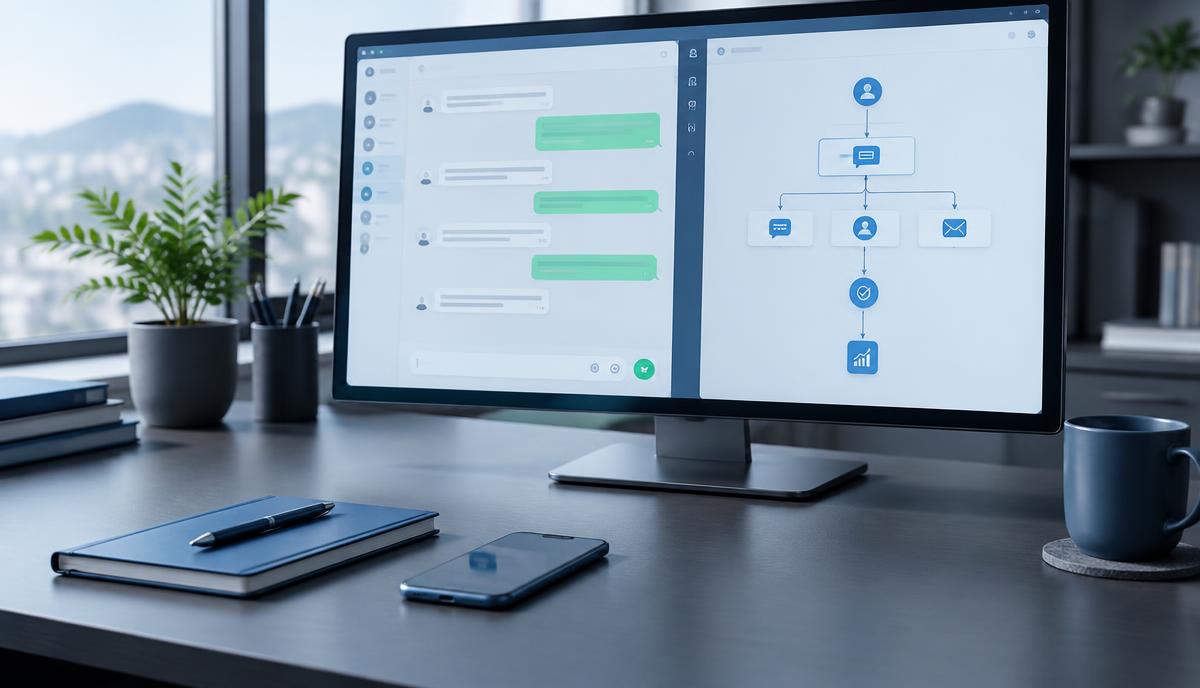
The follow-up journey was built around a short sequence:
1. Immediate acknowledgement
A fast, polite first message confirming the enquiry had been received and setting an expectation for next steps.
2. Qualification questions
A small number of useful questions (typically three to five) to understand need, timeline, and fit. These were written in natural WhatsApp language.
3. Value-oriented follow-ups
If the lead did not reply, one or two short follow-up messages were sent at planned intervals. Each message offered a clear reason to respond rather than simply chasing.
4. Human handover rules
When a lead answered key questions or expressed readiness to talk, the conversation was routed to a team member with full context.
5. Clean exit
Leads that remained unresponsive after the planned sequence were closed politely, with the option to reopen later.
The journey was deliberately short. Long, multi-week sequences were avoided.
Results After Implementation
Within the first 60 days:
- Average time to first response dropped significantly
- A higher percentage of leads answered the qualification questions
- The team spent less time chasing cold conversations
- More leads reached a clear next step (call, meeting, or proposal discussion)
- Follow-up became consistent across the team rather than dependent on individual habits
The most valuable change was visibility. The team could see which leads were progressing and which had stalled, and act accordingly.
What Made the Difference
Three elements proved especially important:
Speed with structure
Fast first response still mattered, but it was paired with a planned sequence rather than a single message.
Relevance over volume
Follow-ups were short and offered a reason to reply. Generic "just checking in" messages were avoided.
Clear ownership of handover
When a lead was ready, the transition to a human conversation was smooth and informed.
Common Risks
- Making the sequence too long or too aggressive
- Using robotic language that feels impersonal on WhatsApp
- Failing to stop automated follow-ups once a human takes over
- Asking too many questions too early and causing drop-off
- Designing the journey without reviewing real conversation patterns first
Practical Lessons
- Start with the actual questions your team already asks good leads.
- Keep the journey short and focused on progress, not persistence for its own sake.
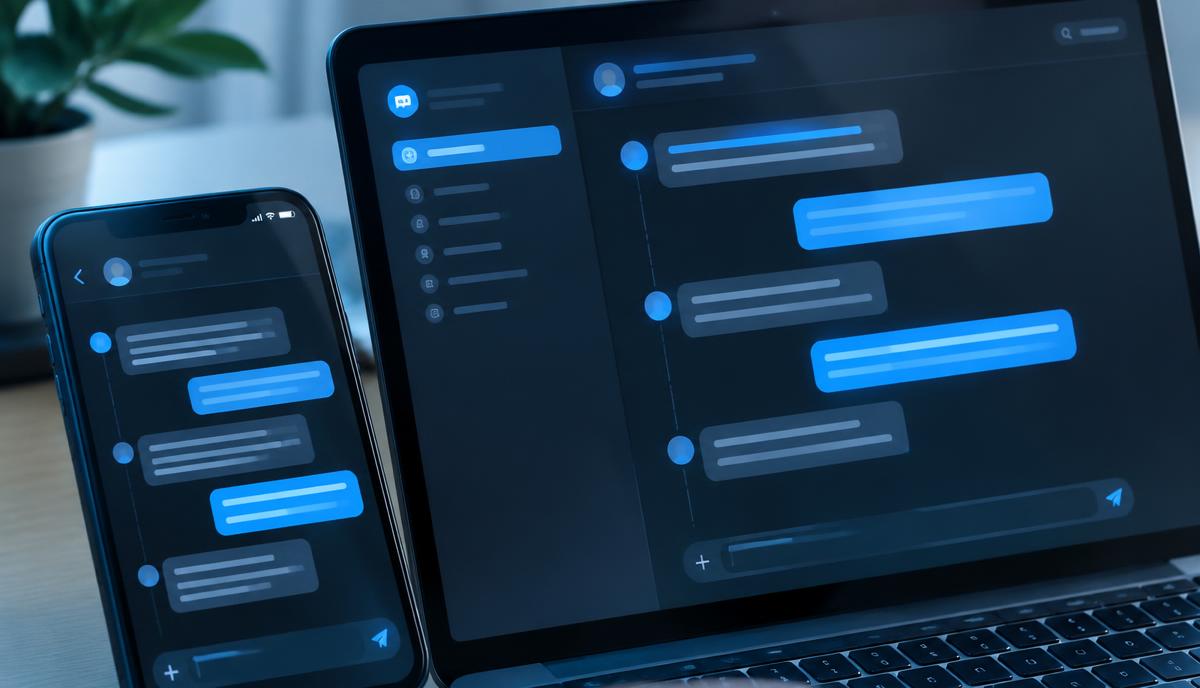
- Write messages in a natural, respectful tone that fits WhatsApp.
- Define clear rules for when automation stops and human conversation begins.
- Review real outcomes after a few weeks and refine the wording and timing.
Next Steps for Teams in a Similar Position
- Map how new leads currently move from first contact to conversation.
- Identify where leads most often go quiet.
- Draft a short three- to five-step WhatsApp sequence that addresses those gaps.
- Define qualification questions and handover criteria.
- Test the journey with a portion of new leads.
- Measure reply rates, qualification completion, and meetings booked, then adjust.
Expert Observation
The best WhatsApp follow-up systems do not try to replace sales conversations. They create reliable conditions for those conversations to happen — fast acknowledgement, clear questions, timely reminders, and clean handovers. When the journey is designed around respect for the lead's time and the team's capacity, both sides benefit.
Frequently Asked Questions
How many follow-up messages should a WhatsApp lead journey include?
For most service businesses, three to five steps work well: an acknowledgement, qualification questions, one or two follow-ups, and a clean exit. Longer sequences tend to feel pushy on a personal channel like WhatsApp.
How soon should the first reply go out?
As close to immediately as possible. Speed to first response is one of the strongest predictors of whether a new lead will engage at all.
Should follow-ups be automated or manual?
A hybrid works best. Automation handles acknowledgement, questions, and timed reminders; a human takes over as soon as the lead shows clear intent. Automation should always stop once a person joins the conversation.
What should we measure to know the journey is working?
Track time to first response, qualification question completion rate, reply rates to follow-ups, and the number of leads reaching a booked call or next step.
Will automated messages feel impersonal to leads?
Only if they are written that way. Short, natural messages that reference the lead's actual enquiry read as attentive, not robotic. Review real conversations before finalising wording.
Related Articles
- AI Lead Qualification Flow: A Practical Case Study
- AI Customer Support: Design Principles and Escalation Rules
- How to Set Up Meaningful Conversion Events
Explore related work in our portfolio to see how structured follow-up and automation systems are designed in practice.
About the Author: Kamaluddin Siddique is the Founder & CEO of CoodeLoom. He works with service businesses on practical lead handling and automation systems that improve response quality and conversion without adding unnecessary complexity.
Choose Your Reading Experience
Whether you prefer an immersive online experience or a professionally designed executive summary, we’ve made both available.
Read Online
Experience the complete interactive article with animations, architecture diagrams, comparison tables, live charts, calculators, expandable sections, and rich visual storytelling.
- Interactive Charts
- Architecture Diagrams
- Performance Visuals
- ROI Calculator
- Animated Stats
- Sticky Navigation
- Related Articles
- Search Optimized
Executive PDF
Download a beautifully designed executive report optimized for business leaders, client presentations, management meetings, and offline reading.
- Executive Summary
- Key Insights
- Business Recommendations
- Professional Charts
- Architecture Diagrams
- Comparison Tables
- Checklists
- Action Plan
- References
- Printable A4 Layout
Approx. 2–4 MB · Print-ready A4
Still prefer reading online?
Continue exploring the complete interactive experience with diagrams, calculators, FAQs, and additional resources.

Written by
Kamaluddin Siddique
Founder & CEO, CoodeLoom
Helping businesses grow through technology, AI, automation, software development, and digital transformation.